CEMEX Go
Simplifying Order Taking in a World of Complex Business Rules
Role: Product Designer
Localization: 5+ countries
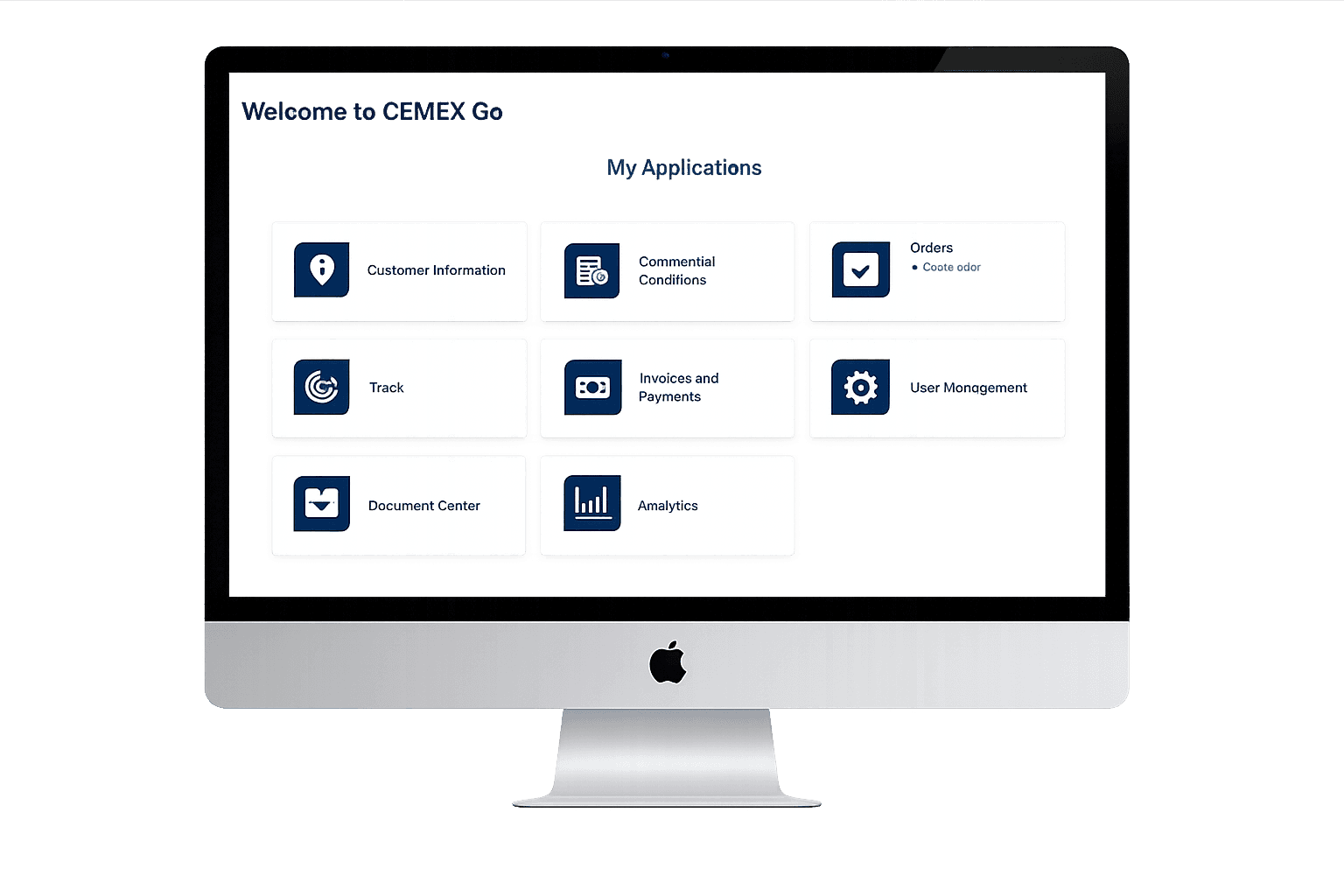
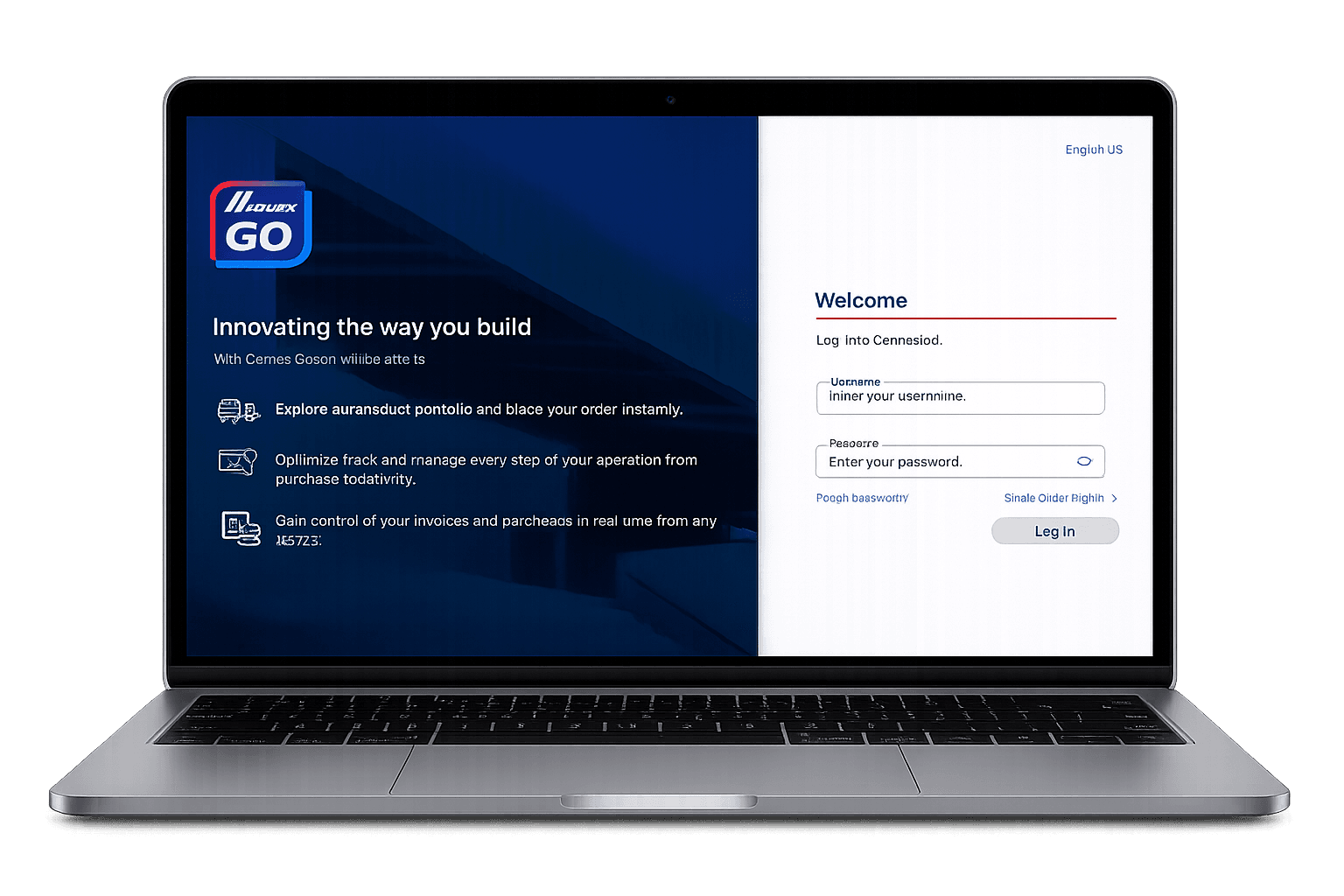
About
Challenge
Improve the order-taking process across multiple countries while accounting for complex business rules.
Overview
CEMEX is a multinational company that produces and supplies cement, concrete, and other construction materials for infrastructure and building projects worldwide.
Design Process
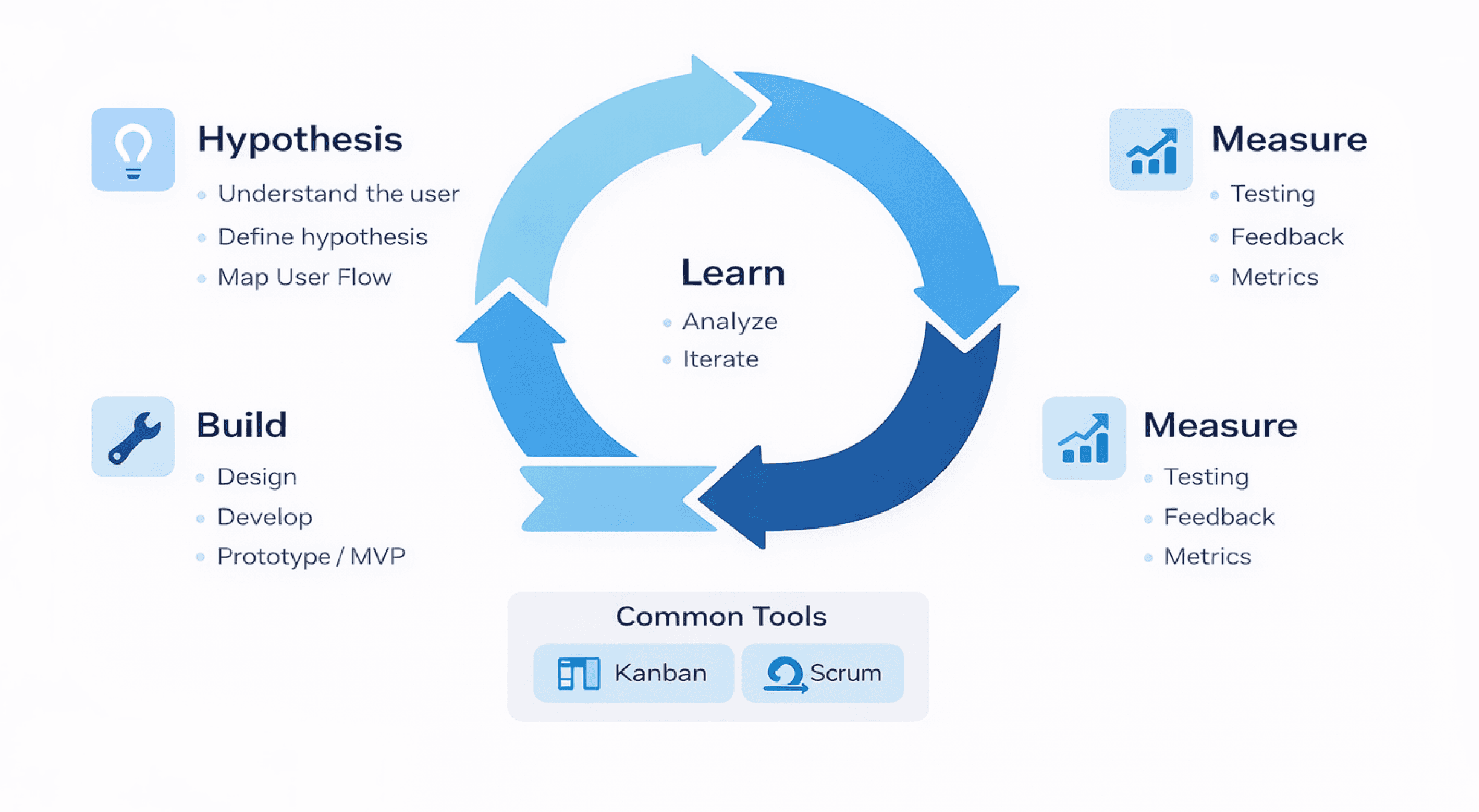
Implemented Lean UX to enable fast, iterative delivery and continuous learning, driving ongoing feature evolution in a complex global environment.
Research & Discovery
Through competitive analysis and user interviews, the goal was to identify key user pain points and uncover opportunities for improvement.
What is your biggest issue while creating an order?
50%
100%
60%
Unclear pricing
Time consuming
Clear inputs
How many orders do you place per week?
10%
50%
70%
80%
10-20
20-30
30-40
More than 50
Conducted 10 in-depth interviews with existing users to understand their frustrations and needs. Key findings included:
Users found the time spent filling out information to be too long.
Users placed several orders per week
Lack of clarity around the appropriate additives to use.
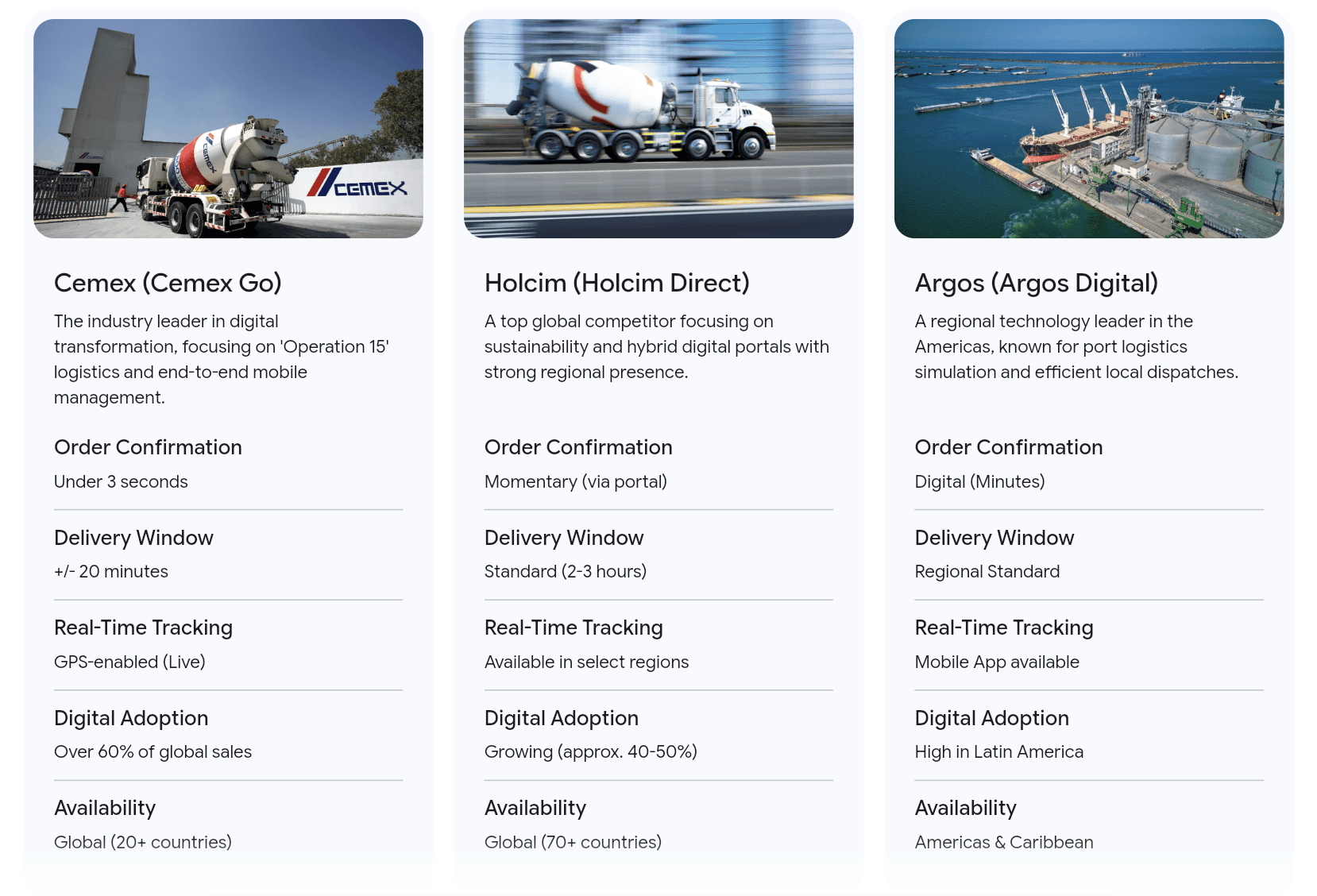
Benchmarking
Benchmarking was used to compare the product against key competitors and industry standards. This process helped identify usability gaps, best practices, and missed opportunities in the user journey.
10 minutes
5 minutes
6 minutes
8 minutes
Heuristic Analysis
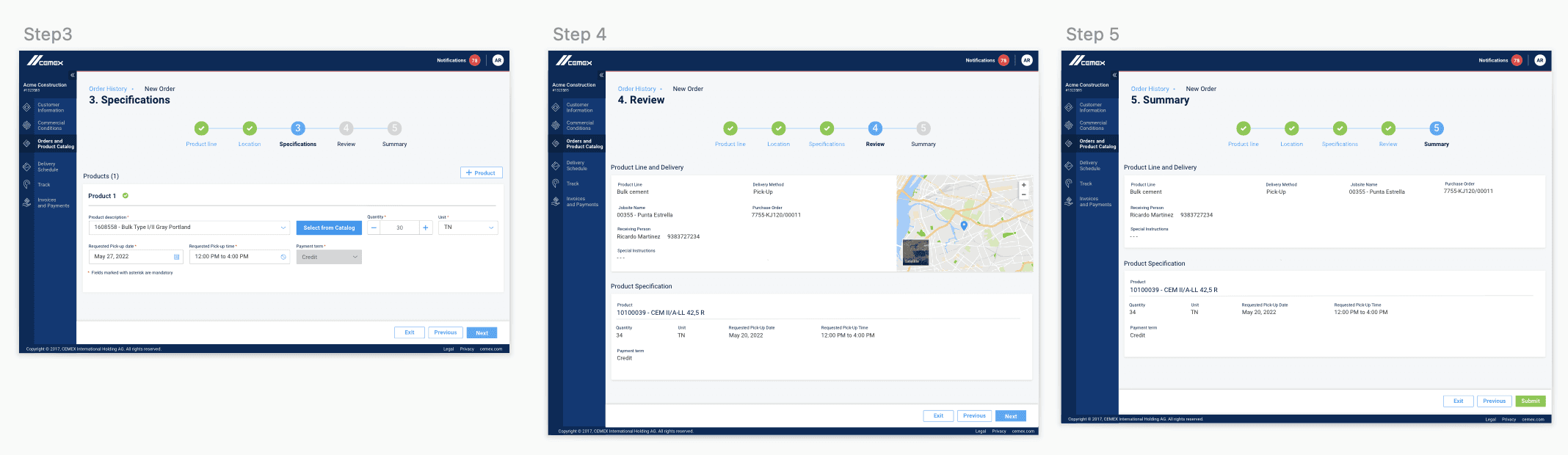
Heuristic analysis helped uncover friction points and guided improvements that simplified the overall user flow.
Heuristics
Violation
Recommendation
Severity
The information provided in both steps, 4 & 5 are very similar.
Combine information to reduce screens and step numbers.
1
Pricing information is not available to the user.
Add price information and details.
3
There are multiple dropdowns that do not contain any selectable options.
Remove fields that are not necessary to continue the process.
2
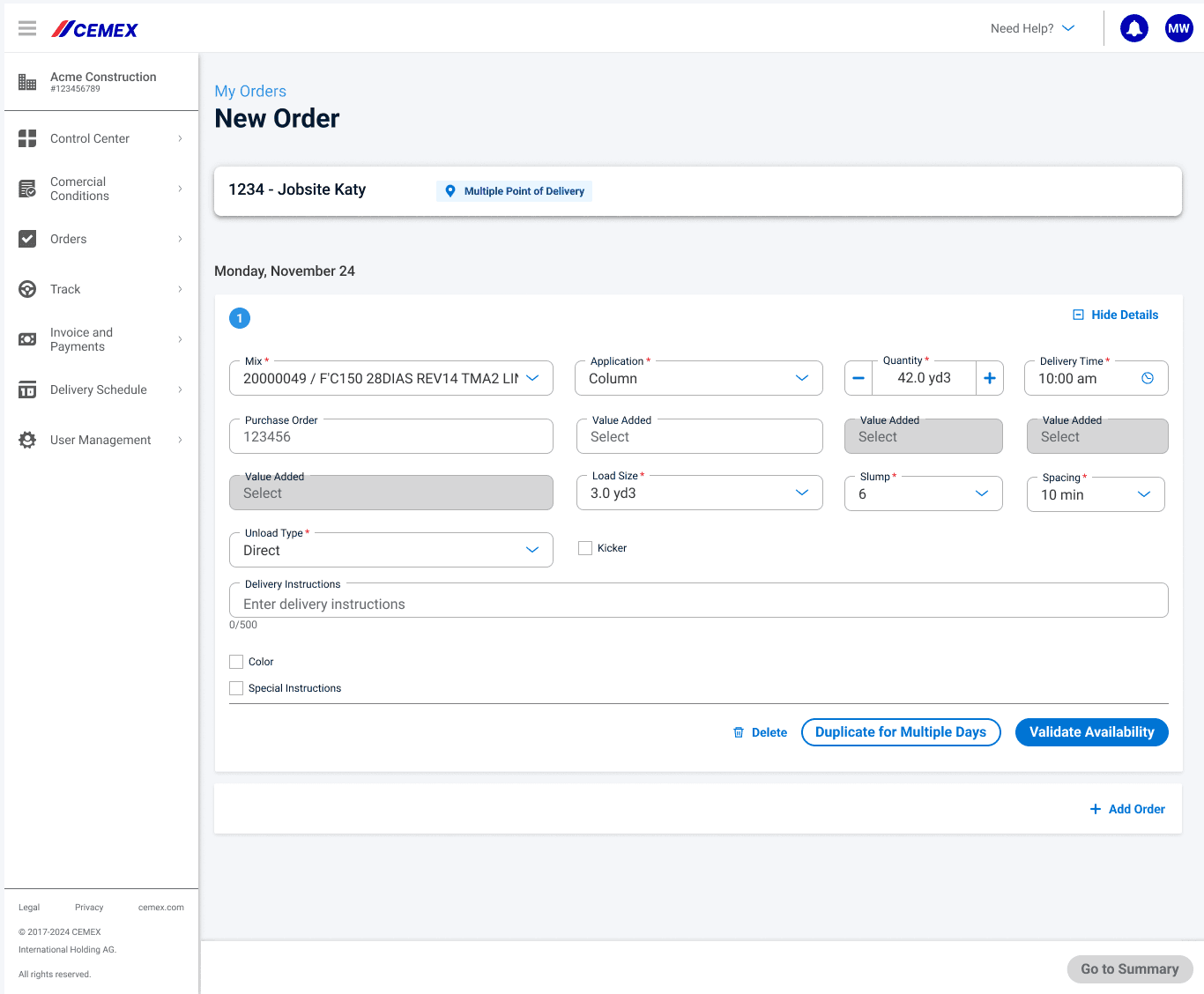
Users were limited to creating only one order per process.
Add a copy/paste or duplicate function to allow users to create multiple orders within the same process.
0
Alerts were displayed with unclear or inconsistent messaging and did not provide sufficient guidance for users to correct errors.
Improve error messaging to provide clearer, more actionable guidance when issues occur.
5
UI & design system implementation
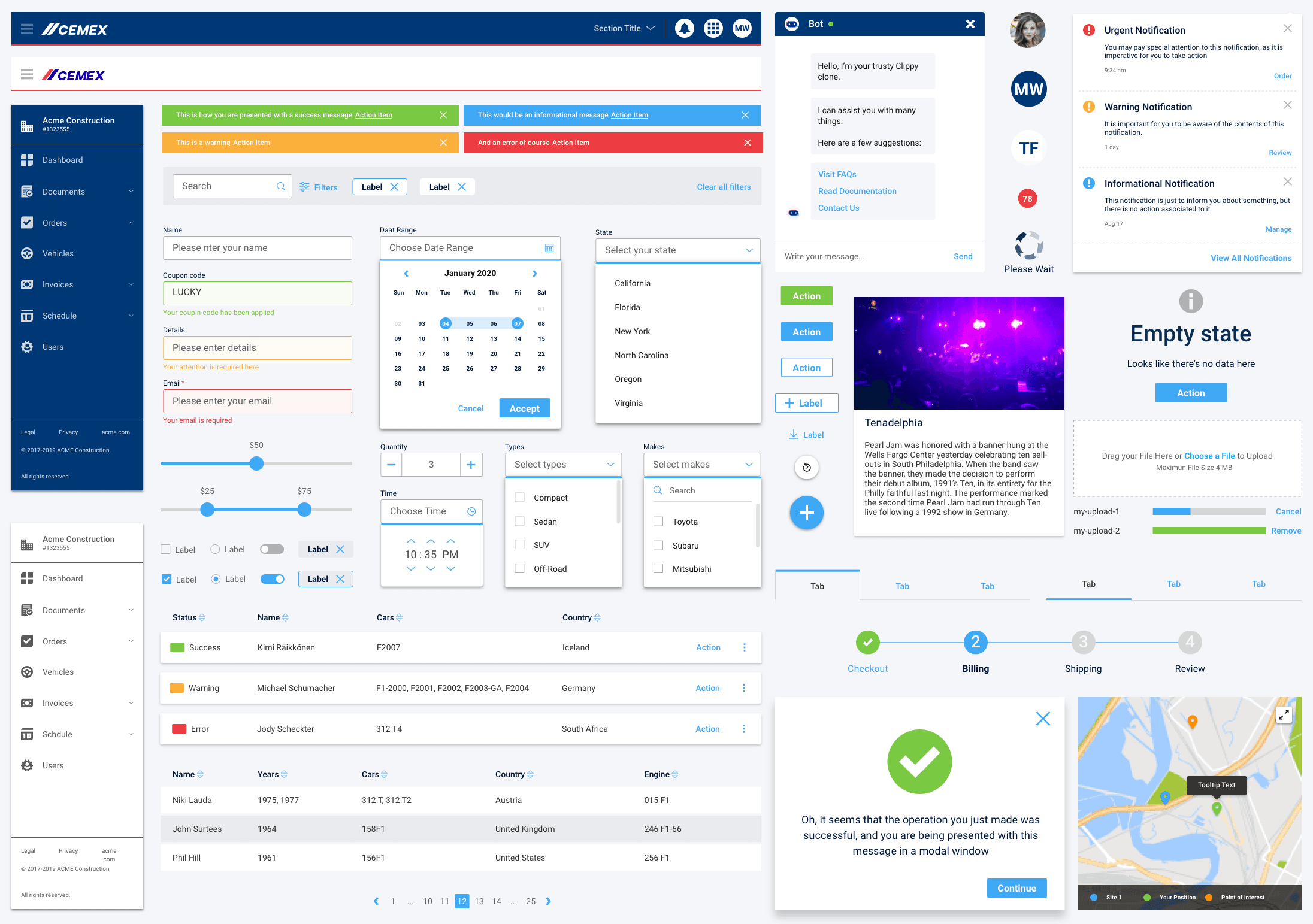
Conducted collaborative sessions with UI engineers to ensure accurate implementation and consistency with existing components, patterns, and interactions.
Hi-fi screens and improvements
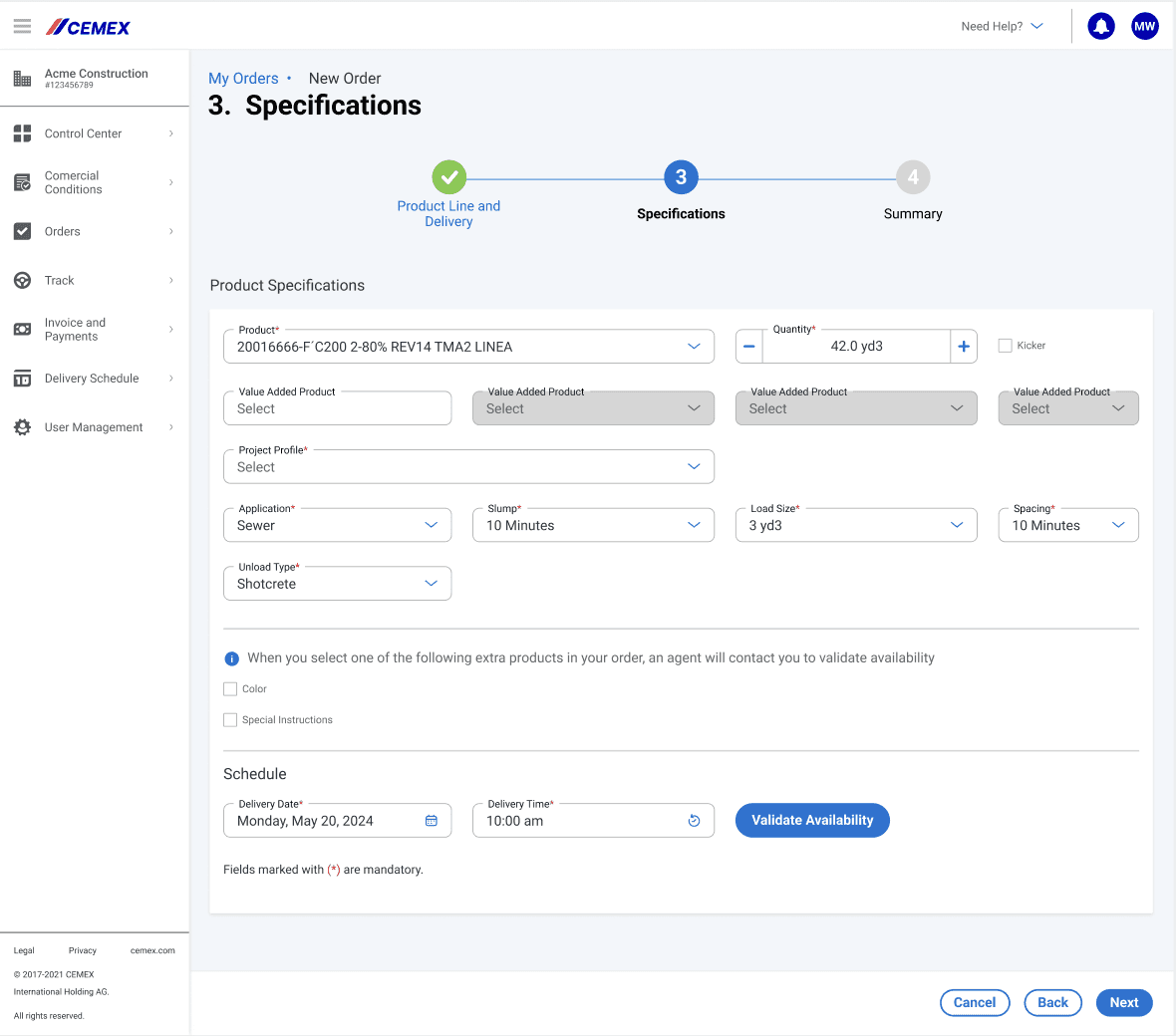
Step reduction
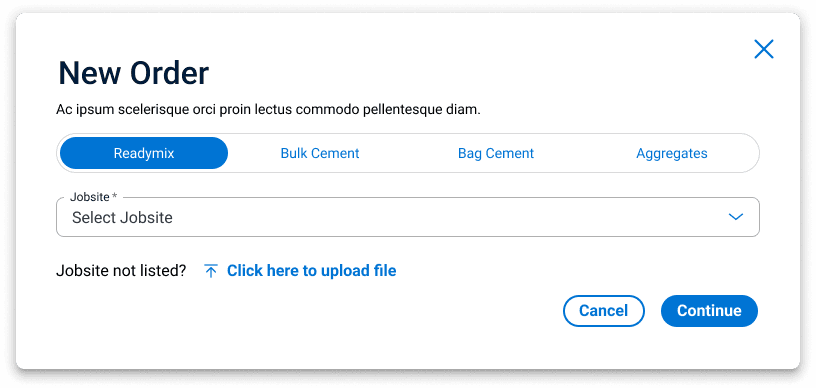
With the support of Business Analysts and Product Owners, we identified duplicated fields, selections, and unnecessary actions that could be removed to simplify the user flow. As a result, the process was reduced from five steps to three, improving efficiency and usability.

Autofill option
An auto-fill option was added for scenarios where users had only one valid choice based on their business rules or service area, reducing manual input and speeding up the process.
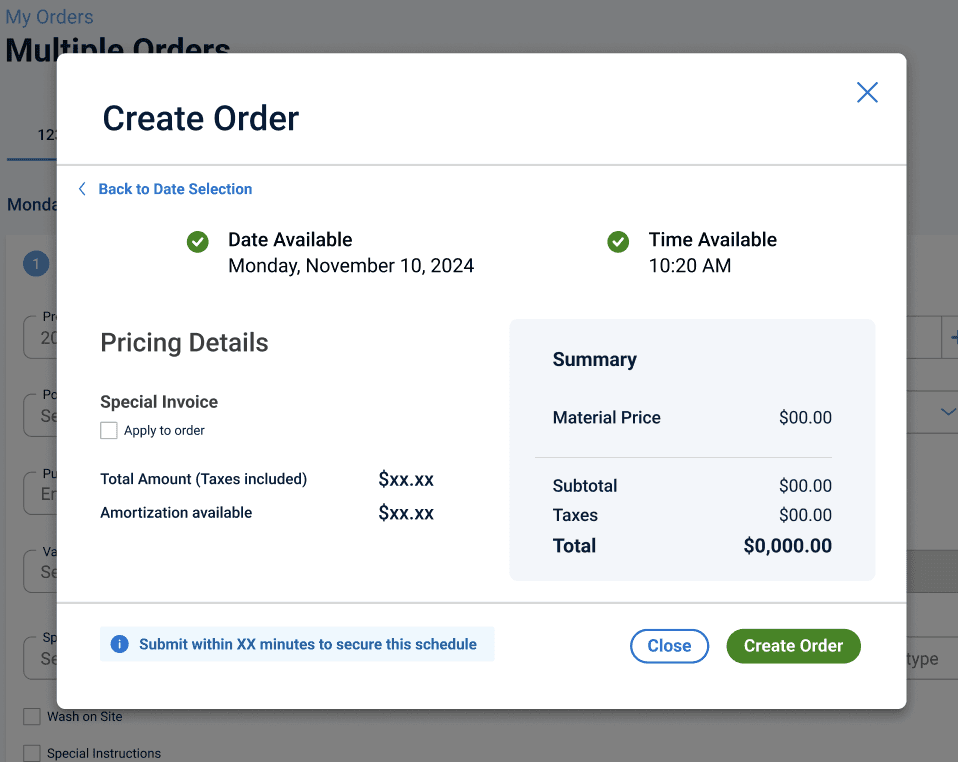
Clarity in pricing
Improved pricing clarity to ensure users can easily understand costs and make informed decisions.
Impact & Results
With the new design, surveys and user interviews were conducted to evaluate usability by assessing how effectively users completed tasks and measuring completion rates.
15%
Adoption improvement
50%
Reduction in the time required to place orders
36%
Increase in orders created through digital channels
Future impact
The previous implementations helped pave the way for the evolution of digital processes, significantly improving the overall ordering experience. These enhancements streamlined user flows, reduced friction across key steps, and made the process more intuitive and efficient. As a result, users were able to complete orders more easily, with confirmation times reduced to under 4 seconds, contributing to faster interactions and higher user satisfaction.
GET IN TOUCH
Let’s work together
View More Projects
Get in Touch
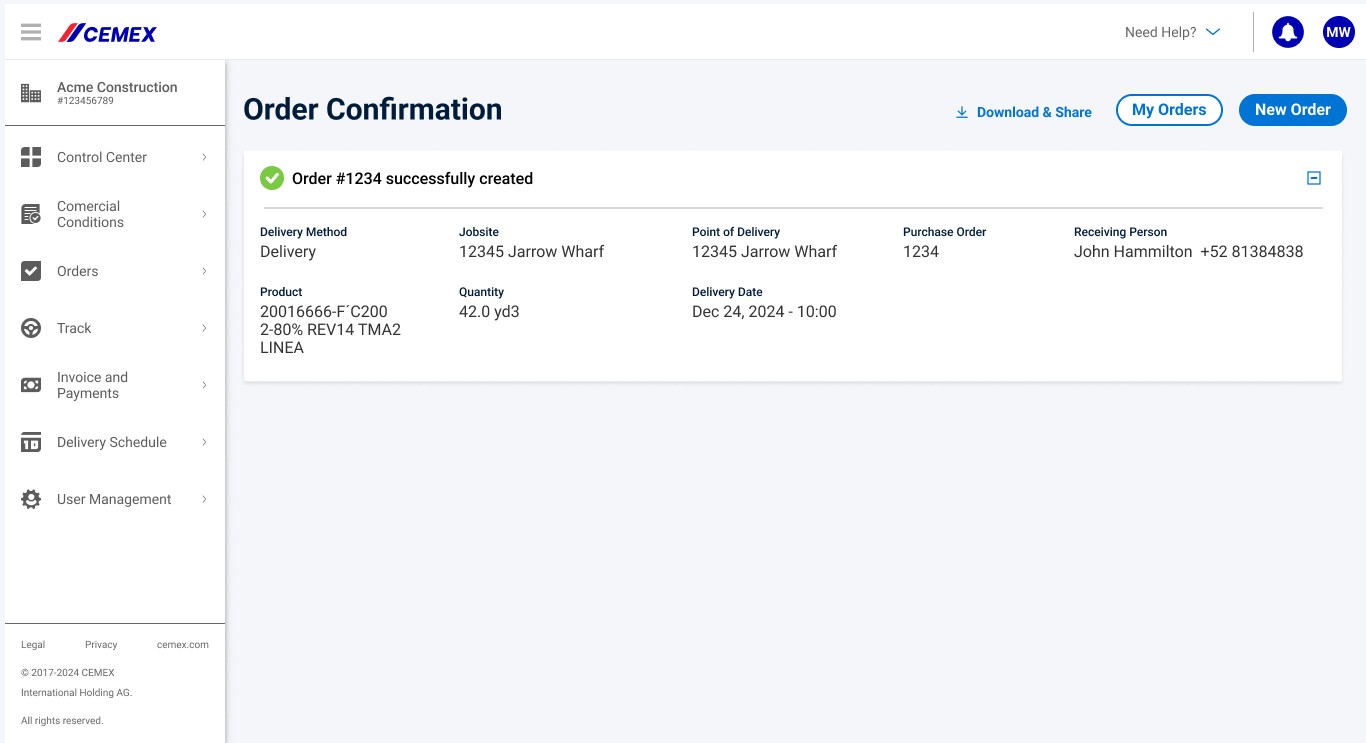
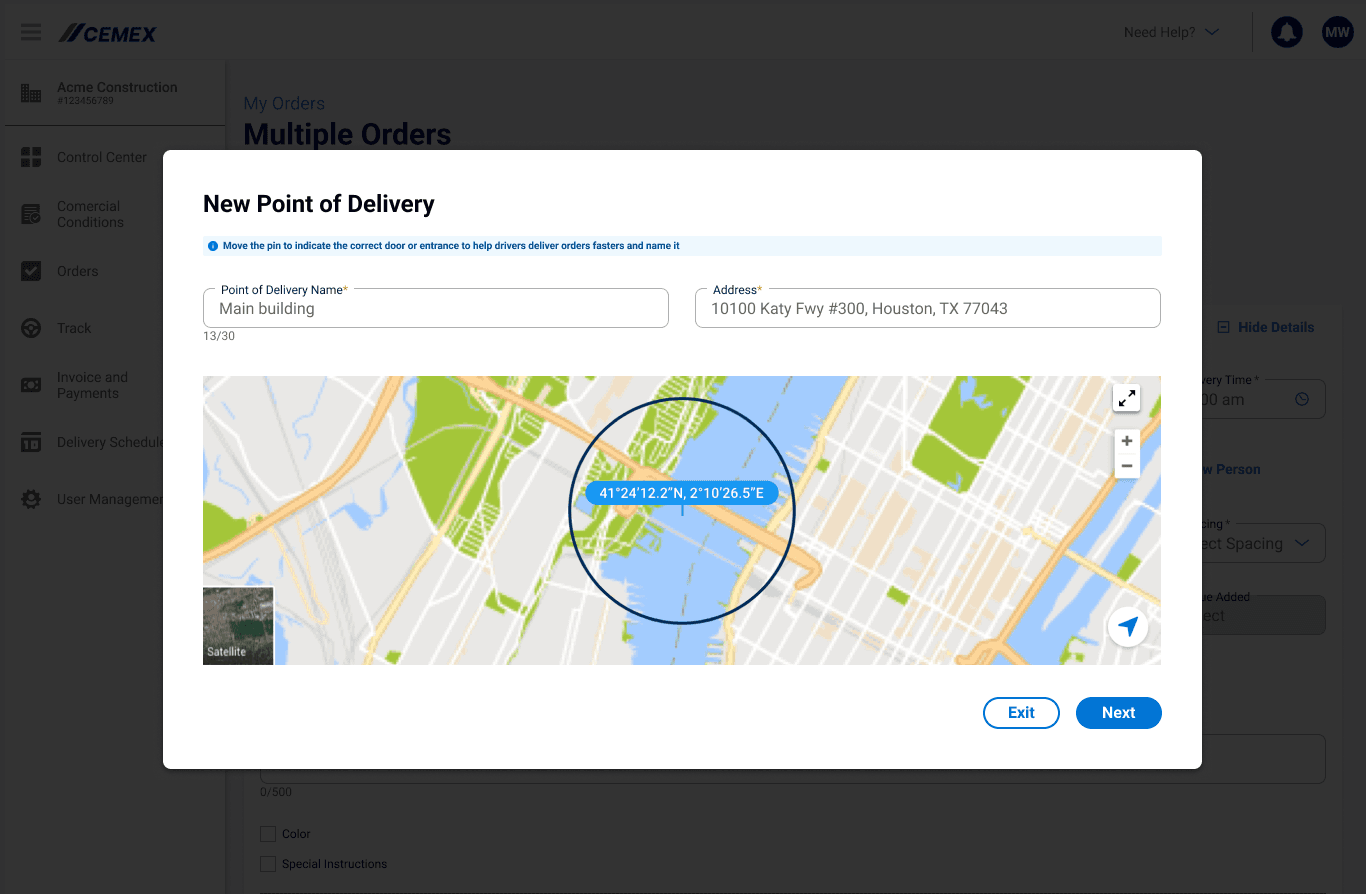
The solution was scaled and implemented across
five additional countries, with features adapted to
align with each market’s specific business rules
and operational requirements.